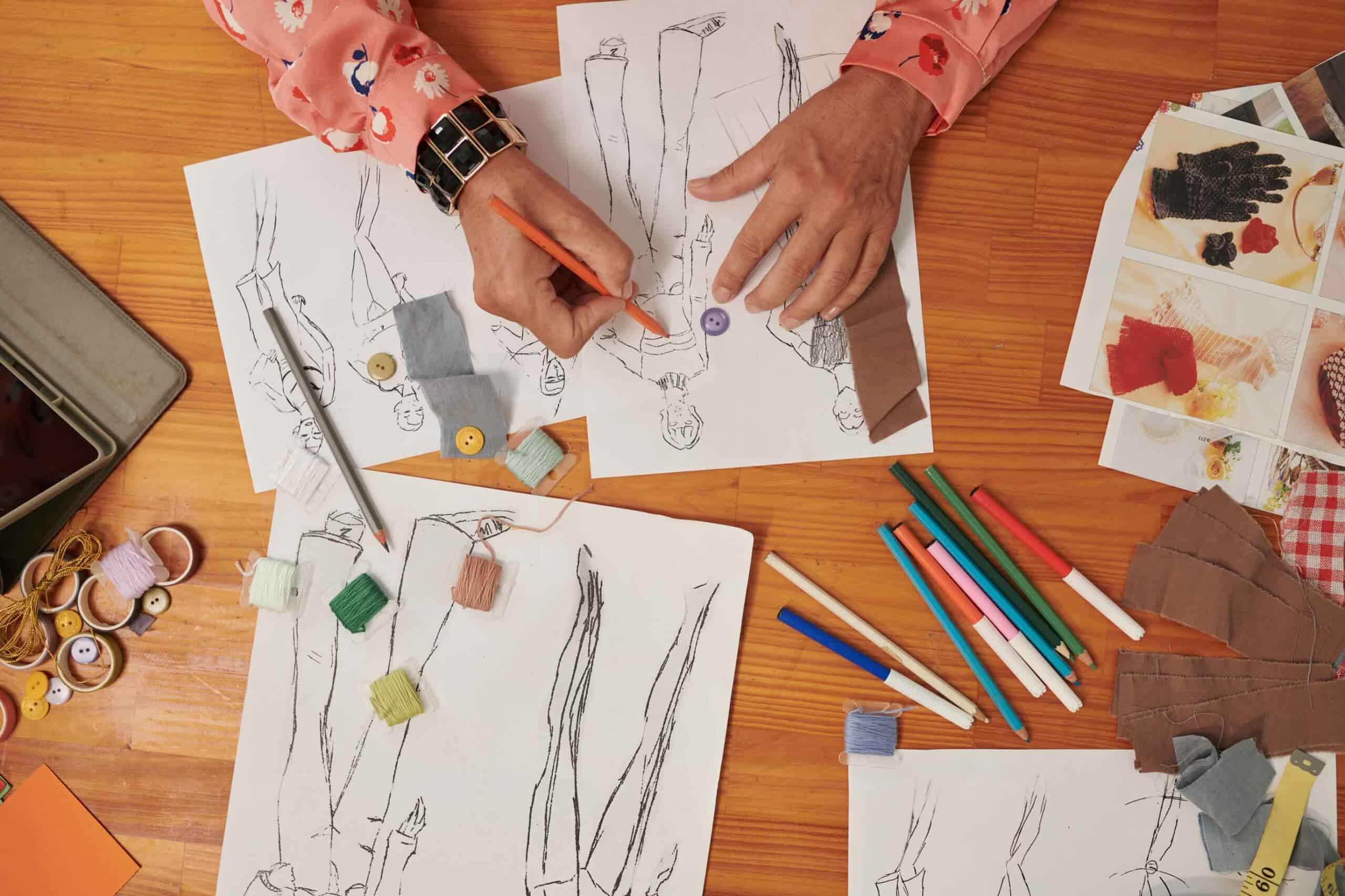
Embracing Sustainability: Key Timeless Trends for Future Design
In today's rapidly changing world, sustainability is not just a trend but a necessity that influences various design aspects. As we embrace sustainability, key timeless trends emerge, highlighting the importance of materials, energy efficiency, and community-oriented spaces. Designers are now prioritizing eco-friendly materials, such as reclaimed wood and recycled textiles, to reduce the environmental impact of their projects. The shift towards embracing biophilic design—integrating nature into built environments—also reflects a growing recognition of the benefits of natural elements on our well-being and productivity.
Moreover, **energy efficiency** remains paramount, with an increasing focus on smart technology that enables real-time energy monitoring and management. Aspects like solar panels and green roofs not only contribute to a reduced carbon footprint but offer aesthetic and functional benefits. The rise of collaborative and communal spaces exemplifies the shift towards more sustainable and inclusive designs, fostering a sense of community and shared resources. As we look towards the future, these timeless trends in sustainable design are set to redefine how we live, work, and interact with our surroundings.
Counter-Strike is a popular first-person shooter game that has become a staple in competitive gaming. Players are divided into two teams, terrorists and counter-terrorists, with the goal of completing objectives or eliminating the opposing team. For those looking to keep track of their gear, you might want to check out the Top 10 airtag keychains that can help you easily locate your essentials. The game features iconic maps and a wide range of weapons, contributing to its enduring popularity.
The Intersection of Technology and Design: Future-Proofing Your Aesthetic
The intersection of technology and design is a dynamic realm where creativity meets innovation. As designers embrace advanced tools like artificial intelligence and virtual reality, they are not just enhancing visual aesthetics, but also redefining the user experience. This evolution pushes boundaries, allowing for greater personalization and interactivity. To remain relevant in this rapidly changing landscape, it is essential for designers to adapt by integrating these technologies into their workflows. By doing so, they can create designs that are not only aesthetically pleasing but also functional and intuitive.
Future-proofing your aesthetic goes beyond just keeping up with trends; it involves anticipating changes and preparing for them. By adopting a technology-first mindset, designers can ensure their work remains impactful and resonant with audiences. Key strategies include:
- Staying informed about emerging technologies that can enhance design
- Experimenting with new tools and platforms
- Embracing a collaborative approach that includes tech experts in the design process
By employing these strategies, designers can effectively navigate the complexities of the digital age while ensuring their vision stands the test of time.
How to Identify and Incorporate Timeless Elements into Modern Designs
Incorporating timeless elements into modern designs can elevate your work by adding depth and character. Begin by identifying classic design principles that have stood the test of time, such as balance, proportion, and harmony. For instance, consider the rule of thirds in your layouts, which draws the eye and creates a sense of equilibrium. This principle has been used by artists and designers for centuries and can be effectively applied to everything from graphic design to interior spaces. Additionally, materials like wood, stone, and metals often invoke a sense of nostalgia and authenticity, making them excellent choices for any contemporary design.
Once you've identified these timeless elements, the next step is to seamlessly incorporate them into your modern designs. One effective method is to blend vintage colors or patterns with sleek modern lines; for example, pairing a warm, earthy palette with minimalist furniture can create a stunning visual contrast. Moreover, consider using iconic furniture pieces or classic decor items that reflect your chosen timeless style. Finally, don't forget the importance of storytelling—using elements from different eras can create a unique narrative that speaks to the enduring nature of good design.