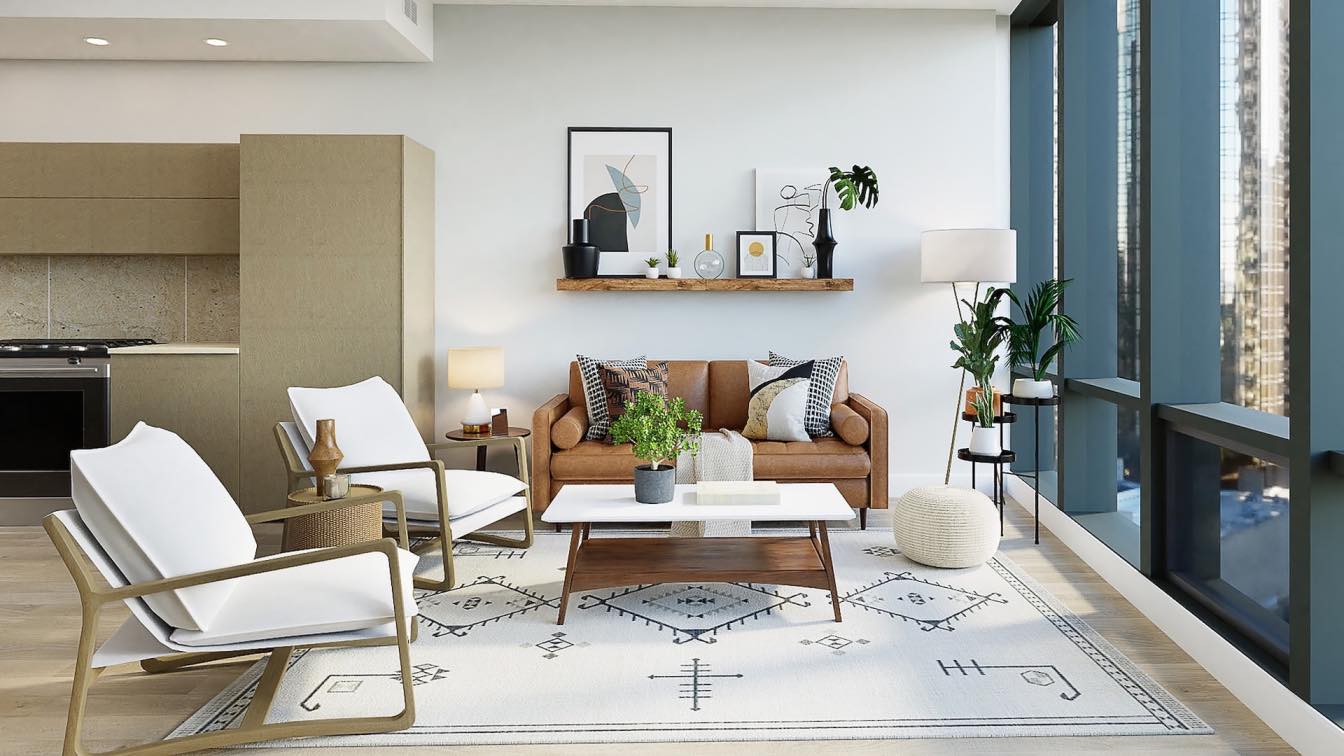
10 Essential Interior Design Secrets to Elevate Your Home
When it comes to elevating your home, understanding the fundamentals of interior design can make all the difference. Here are 10 essential interior design secrets that can help you transform your space into a sanctuary of style and comfort:
- Color Palette: Start with a cohesive color scheme that reflects your personality. Neutral tones can create a calming atmosphere, while splashes of color bring vibrancy.
- Lighting: Layer your lighting with ambient, task, and accent lights to create depth and warmth in each room.
- Focal Points: Identify and enhance focal points in each room, whether it's a stunning piece of art, a fireplace, or a well-designed piece of furniture.
Additionally, pay attention to the scale and proportion of furnishings to ensure a harmonious balance. Texture also plays a vital role; mix various materials like wood, metal, and textiles to add dimension to your design. Finally, don’t underestimate the importance of personal touches. Incorporating personal artwork or photographs can make your space uniquely yours. Remember, these interior design secrets are not just tips but essential strategies to elevate your home into a stylish haven.
Counter-Strike is a highly popular first-person shooter game that pits teams of terrorists against counter-terrorists. Players engage in tactical gameplay, using strategy and teamwork to complete objectives. The game has evolved through several iterations, but its core mechanics of gunplay and team coordination remain a central aspect of the experience. If you're looking to enhance your gaming setup, check out the Top 10 homepod stands for the best accessories.
How to Transform Any Space with Color Psychology
Color psychology plays a crucial role in transforming any space, as it influences our emotions and behavior. By carefully selecting hues, you can create an environment that fosters creativity, tranquility, or even productivity. For instance, warm colors like red and orange can stimulate energy and excitement, making them ideal for social spaces like living rooms or cafes. In contrast, cool colors such as blue and green can evoke a sense of calm and promote focus, which is why they are often used in offices and bedrooms. To effectively utilize color psychology, consider the function of the space and the feelings you want to evoke in its occupants.
When planning your color scheme, it's helpful to keep a few key principles in mind. First, balance is essential; combining neutral tones with vibrant colors can prevent overstimulation while still making a bold statement. Secondly, take advantage of accent walls or furniture pieces to introduce a splash of color without overwhelming the room. Lastly, don’t overlook the power of lighting, as it can significantly alter how colors appear. By understanding and applying these color psychology principles, you can transform any space into a reflection of your desired atmosphere and functionality.
What Are the Key Elements of a Balanced Interior Design?
Achieving a balanced interior design involves integrating several key elements that work harmoniously together. One of the primary aspects is scale and proportion, which ensures that furniture and decor fit the dimensions of the room without overwhelming or underwhelming the space. Color harmony is another essential component; utilizing a cohesive color palette can create a sense of unity and flow throughout the interiors. Consider incorporating a mix of textures, such as smooth and rough surfaces, to add depth to the space, allowing it to feel both inviting and dynamic.
Furthermore, the arrangement and placement of furniture significantly impact the overall balance of a room. Focal points should be established to draw the eye and anchor the design, such as an eye-catching piece of art or a stylish fireplace. Lighting also plays a crucial role; a well-lit space can enhance the colors and textures while creating a warm atmosphere. Incorporating natural elements, like plants or wood accents, can infuse life into the design, making it feel organic and grounded. By considering these elements, one can create a balanced interior design that is both functional and aesthetically pleasing.