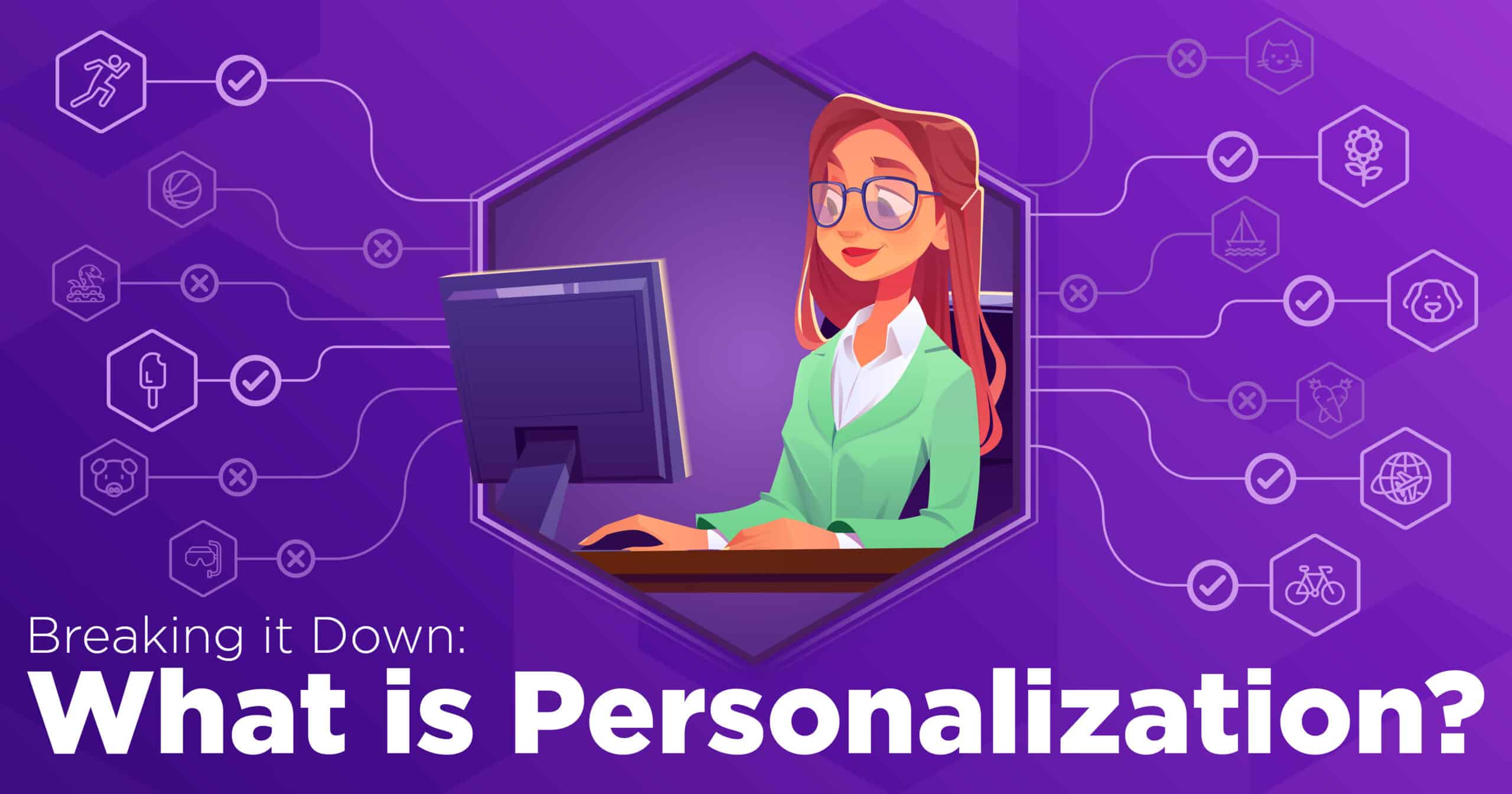
The Power of Personalization: Tailoring Experiences for Every Individual
In an era where consumers are bombarded with information, the power of personalization has emerged as a critical strategy for businesses looking to forge meaningful connections with their audience. By tailoring experiences to meet the unique needs and preferences of each individual, brands can significantly enhance customer satisfaction and loyalty. Personalization can be achieved through various methods, including data analytics, customer feedback, and behavior tracking, which allow companies to create targeted marketing campaigns and product recommendations that resonate with users on a personal level.
The impact of personalization extends beyond just marketing; it can lead to improved user experiences across different platforms. For instance, websites that utilize personalization techniques see increased engagement, as visitors are more likely to explore content that is relevant to their specific interests. According to a recent study, personalized experiences can boost conversion rates by as much as 10% to 20%. This is not just a trend but a business imperative—companies that fail to adopt personalized strategies may find themselves falling behind in an increasingly competitive market.
Counter-Strike is a highly popular tactical first-person shooter game that emphasizes teamwork and strategy. Players take on the roles of terrorists and counter-terrorists, competing in various game modes and maps. The game's competitive scene is particularly strong, with many players participating in tournaments worldwide. For those who enjoy gaming accessories, you might want to check out the Top 10 Hard Shell Cases for AirPods, which are essential for any gamer on the go.
Why Personalization Matters: Moving Beyond One-Size-Fits-All Solutions
Personalization matters because it allows brands to connect with their audience on a deeper level, moving beyond the outdated one-size-fits-all solutions that often leave customers feeling overlooked. In today's fast-paced digital world, consumers expect tailored experiences that resonate with their individual preferences, behaviors, and needs. With the help of advanced data analytics and machine learning, businesses can create customized interactions that not only enhance customer satisfaction but also foster loyalty and engagement. Implementing personalization strategies can significantly improve user experience, making it essential for brands that aim to thrive in a competitive market.
Moreover, personalization drives conversion rates by guiding potential customers through a more relevant journey. According to studies, personalized email marketing can lead to open rates that are up to 29% higher than non-personalized messages, while tailored product recommendations can boost sales by improving the chances of making a sale. In essence, adopting a personalization strategy enables organizations to provide value, ensuring that customers feel acknowledged and understood. As companies embrace this shift, they move closer to achieving their business goals, ultimately demonstrating that a personalized approach is not just beneficial but essential in today’s marketplace.
How to Implement Personalization in Your Business Strategy for Better Customer Engagement
In today's competitive marketplace, personalization is no longer just a luxury; it's a necessity for businesses aiming to enhance customer engagement. To effectively implement personalization in your business strategy, start by gathering data on your customers' preferences, behaviors, and demographics. Utilize tools such as surveys, feedback forms, and analytics software to create detailed customer profiles. Once you have this information, segment your audience into targeted groups. This will allow you to tailor your marketing efforts and offerings to meet the specific needs of each segment, resulting in more meaningful interactions.
Next, leverage technology to automate your personalization efforts. Use Customer Relationship Management (CRM) systems and email marketing platforms that allow you to send personalized messages based on customer data. For example, consider creating personalized email campaigns that address customers by their names and recommend products based on their past purchases. Additionally, implement dynamic content on your website that changes based on the user's behavior, ensuring a unique experience for each visitor. By consistently delivering personalized content and offers, you'll foster deeper connections with your customers, ultimately enhancing customer engagement and loyalty.