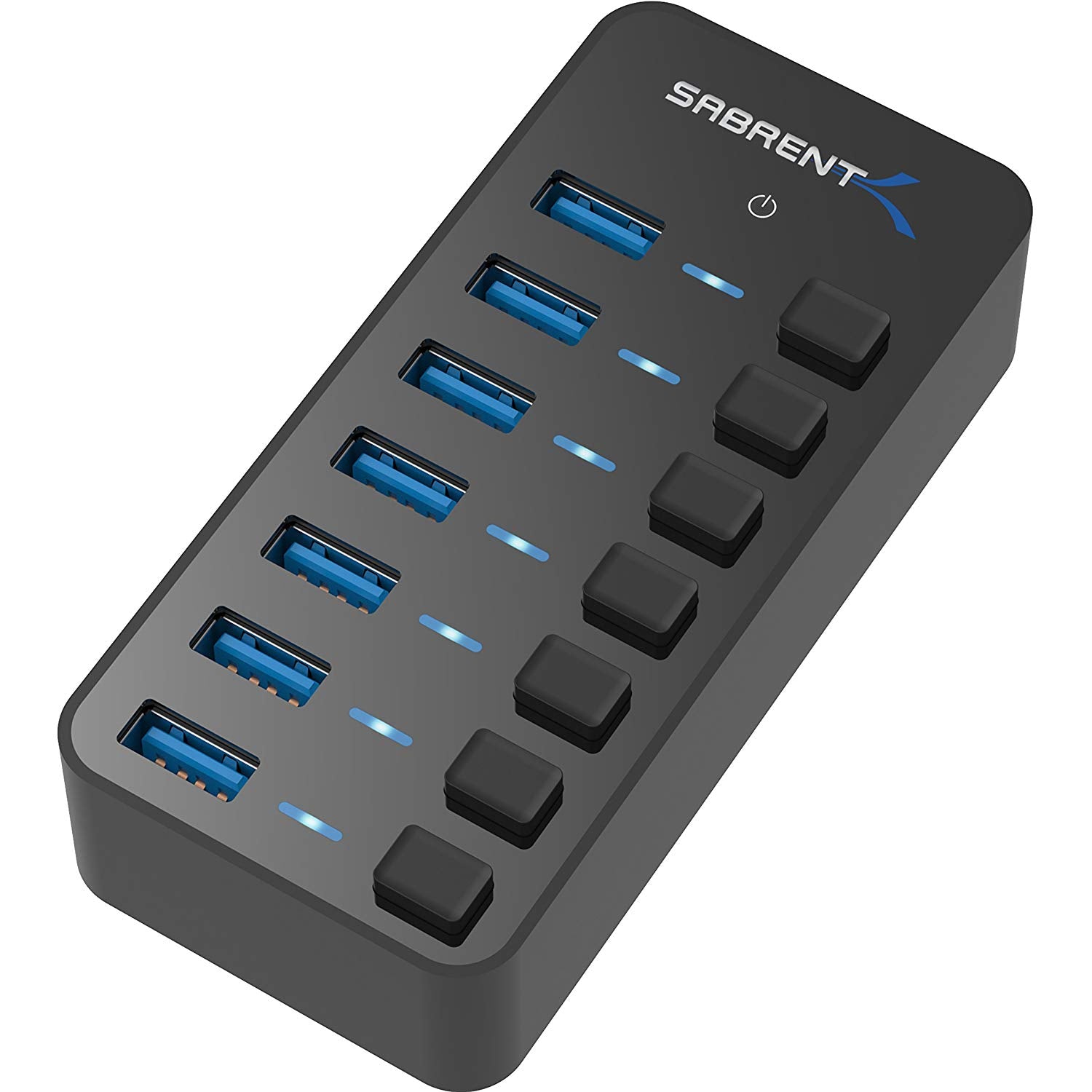
The Ultimate Guide to Choosing the Right USB Hub for Your Setup
When it comes to enhancing your productivity and streamlining your workspace, choosing the right USB hub can make all the difference. With a plethora of options available on the market, it's essential to consider several key factors before making a purchase. First, assess the number of devices you'll be connecting. Do you just need a couple of extra ports for your keyboard and mouse, or do you plan on linking multiple external hard drives and other peripherals? Understanding your needs can help you select a hub with the appropriate number of ports. Additionally, consider the type of USB ports offered—USB 3.0 hubs provide faster data transfer speeds compared to USB 2.0, which is crucial for tasks that require quick file transfers.
Another critical aspect to consider when choosing a USB hub is its power delivery capabilities. Some hubs come equipped with power delivery technology, allowing you to charge your devices while simultaneously using them. If you're connecting power-hungry devices, it’s advisable to select a powered hub rather than a bus-powered one to ensure all your devices function optimally. Finally, don't forget to look at the design and build quality of the USB hub. A compact and portable hub may be ideal for a travel setup, while a larger, more robust design may suit a permanent workstation. By keeping these factors in mind, you'll be well on your way to selecting the perfect USB hub for your setup.
Counter-Strike is a highly popular first-person shooter game that emphasizes teamwork and strategy. Players join either the terrorist or counter-terrorist team, competing to complete objectives or eliminate the opposing side. For those looking to enhance their gaming experience while on the go, exploring Top 10 iPad Accessories for Meetings can provide valuable insights.
How Many Devices Can Your USB Hub Handle? A Deep Dive
When considering a USB hub, a common question arises: How many devices can your USB hub handle? The answer depends on several factors, including the specifications of the hub itself and the type of devices you plan to connect. Most USB hubs are designed to accommodate a range of devices simultaneously, typically ranging from 4 to 10 ports. However, the actual performance can vary based on whether the hub is powered or unpowered. A powered USB hub, which has its own external power supply, can support more devices effectively while maintaining optimal data transfer rates. On the other hand, unpowered hubs draw power from the connected computer, which can limit the number and types of devices that can be connected without compromising functionality.
Another crucial aspect to consider is the USB standard supported by the hub. Ideally, a USB 3.0 hub can support a higher data transfer rate and handle more devices compared to a USB 2.0 hub. If you plan to connect high-bandwidth devices such as external hard drives or HD webcams, a USB 3.0 hub can better manage these demands without issues. Lastly, remember that the total bandwidth needs of your devices will also play a role in performance. For instance, if multiple devices are streaming data simultaneously, the hub may become a bottleneck. Therefore, it's essential to assess both the hub's specifications and your device requirements to determine the optimal number of devices it can handle.
Common USB Hub Problems and How to Troubleshoot Them
USB hubs are essential devices that expand the number of USB ports available on your computer, but they can sometimes encounter issues that affect their performance. Some common USB hub problems include failure to recognize devices, intermittent connectivity, and power supply issues. If you plug in your device and it doesn't show up, or if you experience frequent disconnections, it's crucial to troubleshoot the problem effectively. Start by checking connections and ensuring that the USB hub is securely connected to your computer, as loose connections can often lead to issues.
Another common issue with USB hubs is insufficient power, especially with hubs that require external power supplies. If you're using multiple high-power devices simultaneously, this can overload the hub. To resolve this, disconnect any non-essential devices and see if the issue persists. If problems continue, try connecting the hub to a different USB port on your computer or testing it with another device. Sometimes, the drivers for the USB hub might be outdated, so checking for updates through your device manager can also help rectify any ongoing issues.