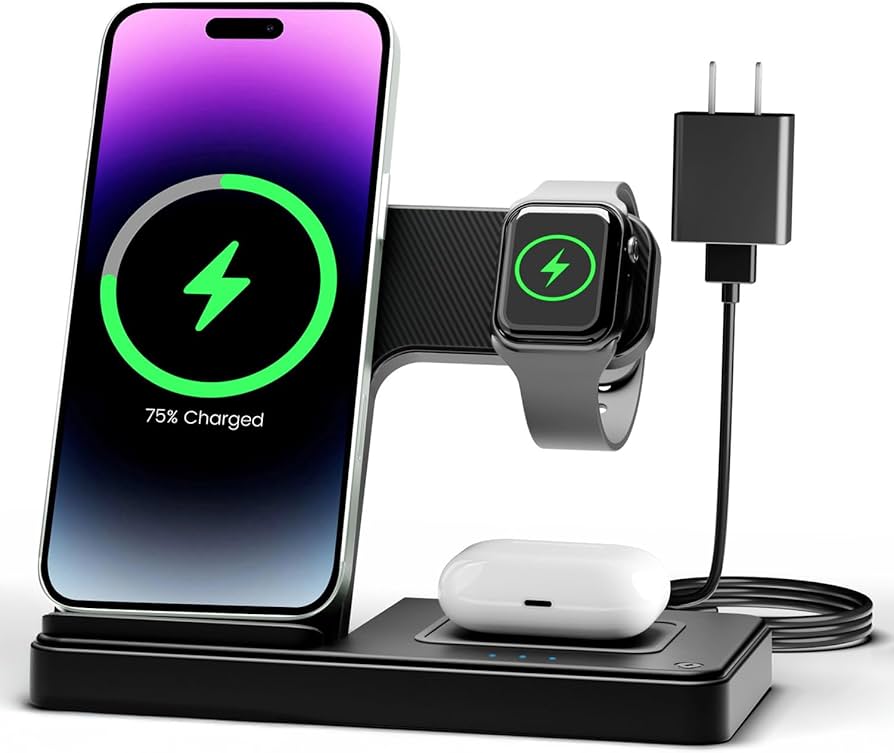
The Science Behind Wireless Charging: How It Works
The science behind wireless charging is rooted in a technology called electromagnetic induction. This process involves the transfer of energy between two coils: a transmitter coil embedded in the charging station and a receiver coil located in the device being charged. When the charger is powered on, alternating current (AC) flows through the transmitter coil, generating a magnetic field. According to Faraday’s law of electromagnetic induction, this changing magnetic field induces an electric current in the receiver coil, which is then converted back into direct current (DC) to charge the device's battery.
The significant advantage of wireless charging lies in its convenience and efficiency. With no physical connectors to wear out or break, users can simply place their devices on a charging pad to initiate the charging process. However, while this technology is user-friendly, it also has its limitations. Factors such as alignment, distance between coils, and heat generation can affect charging efficiency. Studies have shown that while wireless charging may be slower than traditional wired options, ongoing advancements aim to improve speed and effectiveness, making it a viable option for the future.
Counter-Strike is a highly popular tactical first-person shooter game that pits teams of terrorists against counter-terrorists in a variety of objective-based game modes. Players must work together, utilizing strategy and communication to outmaneuver their opponents and achieve their objectives. For those looking to protect their mobile devices while gaming, check out the Top 10 iPhone slim cases to keep your phone safe and stylish.
Top 5 Benefits of Switching to Wireless Charging Solutions
In today's fast-paced world, wired charging solutions are becoming outdated, and many users are switching to wireless charging solutions for their convenience and efficiency. One of the most significant advantages is the ease of use; you simply place your device on a charging pad without the hassle of plugging and unplugging cords. This streamlined experience not only saves time but also reduces wear and tear on charging ports, resulting in prolonged device lifespan. Additionally, many modern wireless chargers are designed with sleek aesthetics that complement your home or office decor, making them a stylish addition to your workspace.
Another benefit of transitioning to wireless charging solutions is the enhanced safety they provide. With no exposed wires, the risks of short circuits, fraying cables, and accidental disconnections are drastically minimized. Furthermore, most wireless chargers come equipped with built-in safety features, such as overcharge protection and temperature control, ensuring your device charges efficiently without overheating. Lastly, many wireless chargers are compatible with multiple devices, making it a versatile option for families or individuals with several gadgets. In summary, switching to wireless charging solutions not only simplifies your charging experience but also offers safety and versatility.
Is Wireless Charging Right for You? Pros and Cons Explained
Wireless charging has gained popularity as a convenient alternative to traditional charging methods, allowing users to power up their devices without the hassle of tangled cords. However, before making the switch, it's essential to weigh the pros and cons. On the positive side, wireless charging offers ease of use, reducing wear and tear on charging ports and allowing for a more organized workspace. Moreover, many modern smartphones and devices come equipped with wireless charging capabilities, making it an accessible option for many users.
On the flip side, there are some drawbacks to consider. Wireless charging can be slower than wired charging, taking significantly longer to reach a full battery. Additionally, efficiency may vary depending on the charging pad and device alignment, which can lead to inconsistent results. Finally, the convenience of wireless charging can come at a higher cost, as quality charging pads and compatible devices tend to be pricier than their wired counterparts. Weighing these pros and cons will help determine whether wireless charging is the right choice for you.