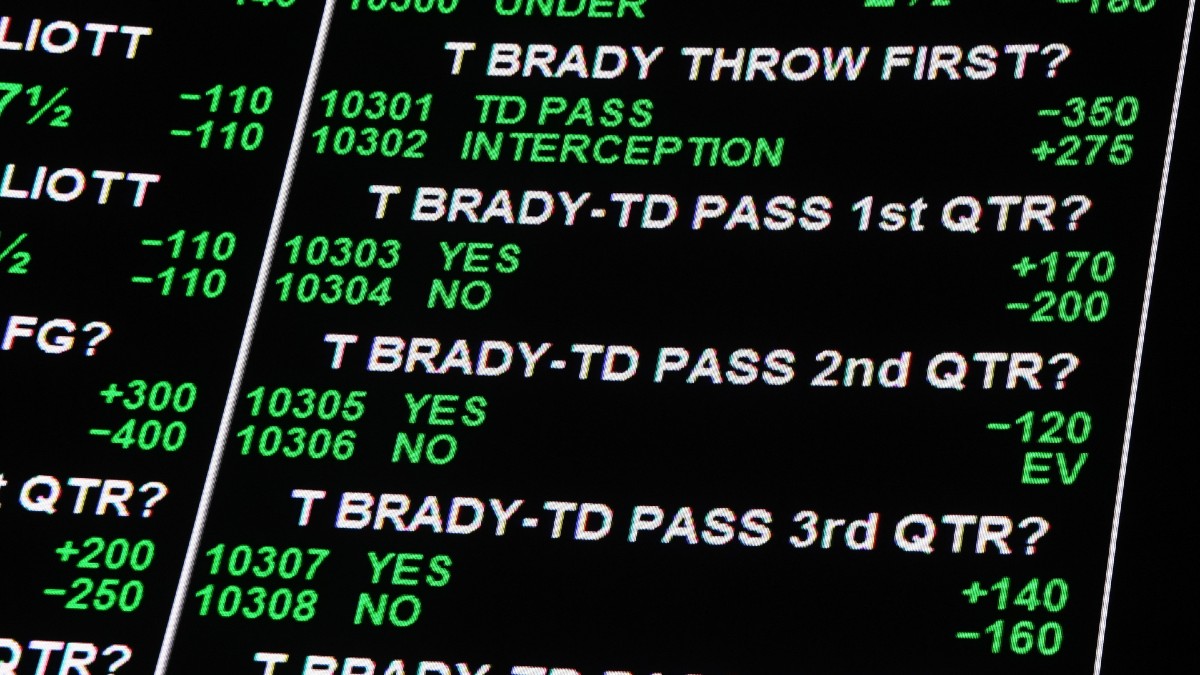
Understanding Decimal, Fractional, and Moneyline Odds: Which Format is Right for You?
Understanding the different types of betting odds is crucial for anyone looking to engage in sports wagering effectively. In the world of betting, you will encounter three primary formats: decimal odds, fractional odds, and moneyline odds. Each format represents the same concept—determining potential payouts—but presents the information in different ways. For instance, decimal odds are prevalent in Europe, showing the total amount returned on a winning bet, while fractional odds, common in the UK, express the ratio of profit to the stake. Meanwhile, moneyline odds are often used in the United States and indicate how much you can win from a $100 bet, with positive and negative values representing underdogs and favorites, respectively.
When deciding which format is right for you, consider your personal preferences and betting strategy. If you prefer clarity and straightforward calculations, decimal odds might be the best fit, as they require just one simple calculation to determine your potential payout. On the other hand, if you appreciate the traditional feel of betting, fractional odds may resonate more with you. Finally, if you're focused on maximizing your bets in a way that reflects American sports culture, moneyline odds could be the preferable choice. Ultimately, understanding these odds formats can significantly enhance your betting experience and help you make more informed decisions.
Don't miss out on exciting offers! Use our duel promo code to enjoy exclusive discounts and promotions on your next purchase.
Odds in Sports Betting: How to Read and Interpret Different Formats
Understanding odds in sports betting is crucial for making informed wagers and maximizing your potential returns. Odds can be expressed in different formats, including fractional, decimal, and moneyline. Each format conveys the same essential information but does so in a way that may appeal to different types of bettors. For example, fractional odds such as 5/1 indicate that for every $1 wagered, a bettor would win $5 in profit if the bet is successful, while decimal odds like 6.0 include the initial stake in the total payout. On the other hand, moneyline odds are expressed as either positive or negative numbers, representing the amount won on a $100 bet or the amount needed to wager to win $100, respectively.
When interpreting these odds, it’s essential to know how they reflect the perceived probability of an event occurring. For instance, a moneyline of -200 indicates that a bettor must stake $200 to win $100, suggesting a higher likelihood of that outcome. Conversely, a +200 moneyline implies that a $100 bet would yield $200 in profit, reflecting a lower probability of success. To aid in your betting decisions, consider using an odds calculator which can help you convert between different formats and calculate potential payouts based on the odds provided. Ultimately, grasping how to read and interpret these various odds formats will empower you to make smarter bets.
The Psychology of Odds: Why Gamblers Prefer Certain Formats Over Others
Understanding the psychology of odds reveals that different gambling formats evoke varying emotional responses. Gamblers often gravitate towards certain formats that they perceive as offering better odds or more favorable outcomes. For instance, a player may choose a game like blackjack over a slot machine due to the belief that skill can influence the outcome, thereby enhancing their sense of control. This perception is influenced by cognitive biases, such as the illusion of control, where players overestimate their ability to affect the results in games that involve randomness.
Moreover, the psychology of odds suggests that social influences also play a significant role in a gambler’s preferences. Formats like poker, which combine skill and social interaction, tend to attract players seeking camaraderie and competition. In contrast, solitary games like online slots are often preferred for their simplicity and the thrill of spontaneous wins. The format a gambler chooses can be a reflection not only of their risk tolerance but also of their social preferences, highlighting the complex interplay between psychology and gambling behavior.